The Psychology of Gambling
The allure of casino games often begins with intricate psychological principles that captivate players. One of the primary factors contributing to addiction is the thrill associated with uncertainty and risk-taking. Cognitive biases, such as the illusion of control, lead players to believe that they can influence the outcome of a game, even when it is purely chance-based. Many gamblers prefer platforms that ensure quick payouts, making casino fast withdrawal a critical feature in their choice, as this belief fosters a sense of empowerment that can keep players engaged, compelling them to return in hopes of winning big.
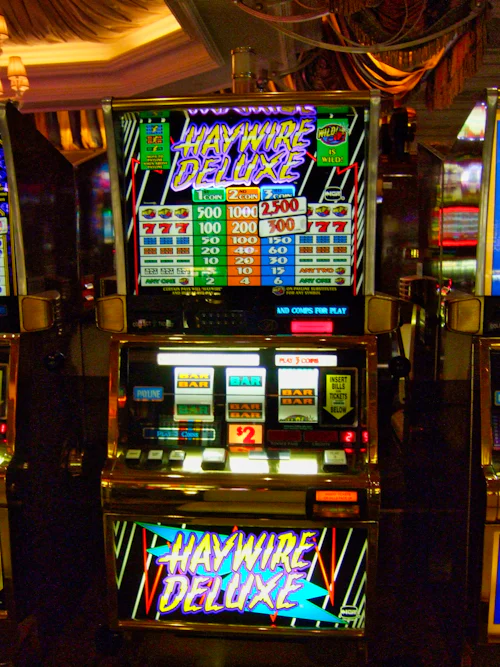
Furthermore, the concept of variable rewards plays a significant role in addiction. Games that offer unpredictable rewards, such as slot machines or poker, tap into the brain’s reward system, triggering the release of dopamine. This neurotransmitter is linked to feelings of pleasure and satisfaction, creating an engaging feedback loop. When players win sporadically, it reinforces their behavior, intensifying their desire to keep playing despite losing streaks.
The social aspect of gambling also enhances its addictive qualities. Many games are designed for group play, providing a sense of community and camaraderie that can be appealing. Casinos often foster an exciting atmosphere filled with cheering and shared experiences, making it difficult for individuals to resist the urge to participate. This blend of psychological engagement and social interaction creates a compelling environment that captivates a wide range of players.
The Role of Game Design
Game design is another critical component contributing to the addictiveness of casino games. Developers employ various techniques to create immersive experiences that keep players engaged for extended periods. For example, bright visuals, engaging sound effects, and dynamic animations are strategically implemented to heighten emotional responses. These sensory stimuli captivate attention, making it challenging to walk away from the game, regardless of winning or losing.
Additionally, many casino games incorporate psychological triggers such as progression mechanics, which provide players with a clear path toward achievements or milestones. This sense of progression satisfies a natural human desire for accomplishment, encouraging players to continue their gameplay. For instance, leveling up in a game or unlocking new features gives players a tangible reward that can be more gratifying than simple monetary wins, further entrenching their commitment to the game.

Moreover, developers often utilize a technique known as “near-miss” scenario, where players come close to winning but ultimately do not. The excitement generated from near misses can create a false sense of hope, leading players to believe that victory is just around the corner. This deceptive cycle keeps players hooked, as they perceive that success is attainable with just a bit more effort, resulting in extended gameplay and even increased financial investment.
The Impact of Environmental Factors
Environmental elements within casinos greatly impact player behavior and contribute to the addictive nature of games. Factors such as lighting, music, and layout are meticulously designed to keep players in a state of continuous play. Bright lights and upbeat music create an atmosphere of excitement and energy, effectively masking the passage of time and encouraging prolonged engagement. Such a carefully crafted environment ensures that players feel exhilarated, making it difficult for them to leave.
Additionally, the placement of games within a casino can significantly influence how players interact with them. High-traffic areas often feature popular slot machines and table games, drawing in passersby and enticing them to participate. The close proximity of various games can create a sense of competition and urgency, pushing players to join in for a chance to win. This strategic layout reinforces the idea that gambling is a shared activity, further enhancing its appeal.
Moreover, the availability of complimentary services, such as free drinks or snacks, plays a role in keeping players at the tables or machines longer. Casinos often provide these perks to enhance the overall experience, making patrons less inclined to step away. This combination of environmental design and incentives creates a powerful push for sustained gameplay, leading to deeper levels of engagement and potentially addictive behavior.
The Influence of Marketing and Promotions
Marketing strategies employed by casinos significantly impact player engagement and can lead to addictive behaviors. Promotions such as free spins, bonuses, or loyalty programs create an enticing atmosphere that encourages players to participate more frequently. These incentives act as a psychological push, as players feel they have something to gain, making them more likely to return and continue playing.

Casinos often craft their advertising materials to appeal specifically to their target demographic, playing on emotions and desires. For example, advertisements may showcase lavish lifestyles or thrilling successes associated with gambling, creating an idealized view of the casino experience. This marketing can shape public perception and build an irresistible allure around the idea of winning, driving individuals to partake in casino games more intensely.
Furthermore, digital media has amplified the reach of casino marketing. Online casinos utilize social media platforms and targeted advertisements to attract potential players, making gambling more accessible than ever. With mobile apps and online gaming options, players can engage with casino games at any time, blurring the lines between casual play and addiction. This accessibility continues to fuel the growth and potential addictiveness of casino gaming in the modern landscape.
Understanding the Balance: Enjoyment vs. Addiction
It’s essential to differentiate between enjoying casino games and falling into problematic gambling habits. Many individuals enjoy the thrill of gambling in moderation, using it as a form of entertainment or social engagement. Recognizing the signs of addiction, however, is crucial. Players should be aware of their time and financial investments, ensuring that their gameplay remains enjoyable rather than compulsive.
Some strategies can help individuals maintain a healthy balance. Setting strict limits on time and money spent in casinos is vital to prevent drifting into addictive behaviors. Additionally, seeking support from friends, family, or professional organizations can provide helpful resources for those struggling with addiction. Ultimately, understanding personal boundaries and maintaining accountability can help players enjoy casino games without succumbing to harmful habits.
As the landscape of casino gaming continues to evolve with technology and marketing strategies, being vigilant about one’s gaming habits is more important than ever. Players should cultivate a mindful approach towards their gambling experiences, prioritizing enjoyment over compulsion. In this way, it is possible to appreciate the excitement of casino games without falling into the trap of addiction.